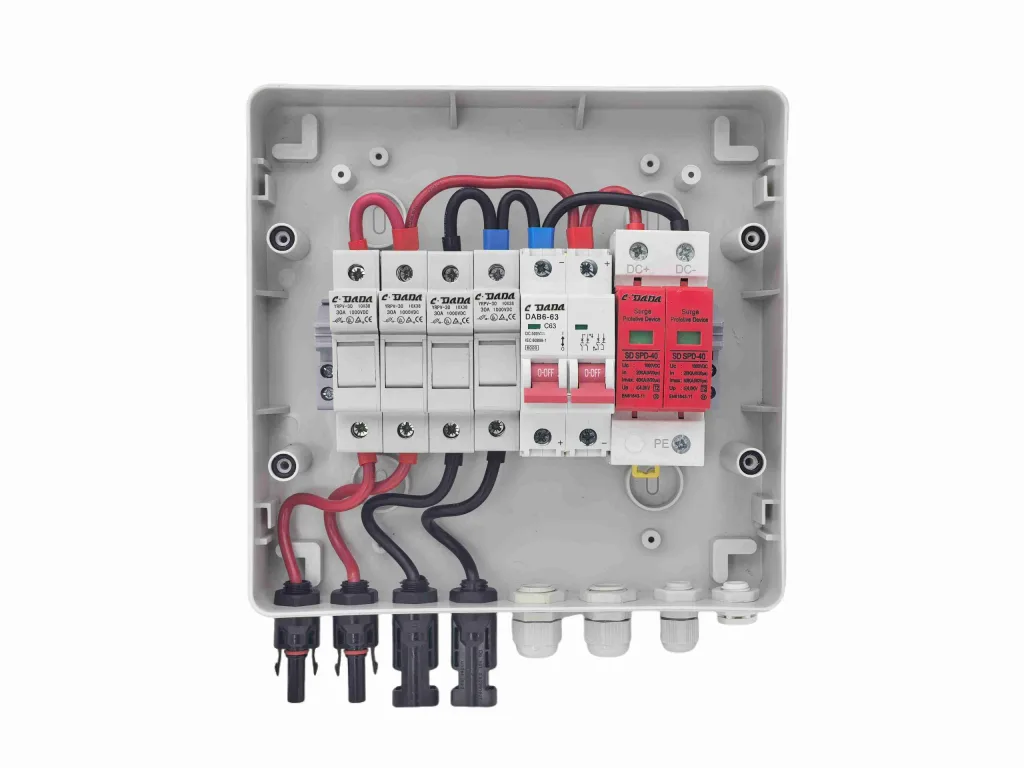
When it comes to electrical protection, understanding the differences between an Air Circuit Breaker (ACB) and a Molded Case Circuit Breaker (MCCB) is essential. Both devices play a critical role in ensuring safety and reliability in electrical systems, but their design, capacity, and applications vary significantly. Knowing when and where to use each type helps improve system efficiency and prevents unnecessary downtime.
To start, let’s take a closer look at what an Air Circuit Breaker is. An ACB is a type of circuit breaker that uses air as the arc extinguishing medium. It is mainly used in low-voltage power distribution systems, typically above 800A, and is designed to handle high short-circuit currents.
ACBs are commonly installed in electrical panels for industrial plants, commercial buildings, and substations, where continuous monitoring and frequent maintenance are necessary. They are equipped with advanced features such as adjustable trip settings, remote operation, and communication interfaces, which make them suitable for complex systems that require reliable protection and easy maintenance.

Next, we move to Molded Case Circuit Breakers, or MCCBs. An MCCB is enclosed in a molded plastic case, which provides insulation and protection. It can handle both low and medium current ratings, usually from 100A to 1600A.
Unlike ACBs, MCCBs are compact, cost-effective, and easier to install, which makes them ideal for applications in residential, commercial, and light industrial systems. They can protect circuits against overload, short circuit, and ground faults, and they often use a thermal-magnetic trip mechanism for automatic disconnection during faults.
Because of their smaller size and lower maintenance needs, MCCBs are widely used in motor control centers, power distribution boards, and backup power systems.
Although both ACBs and MCCBs are used for circuit protection, several key differences set them apart.
ACBs are designed for higher current ratings (up to 6300A), while MCCBs typically handle up to 1600A.
ACBs use air to extinguish the arc, whereas MCCBs use a molded insulating material.
ACBs are suited for main distribution panels in large facilities, while MCCBs are preferred for sub-distribution or individual circuit protection.
ACBs require more frequent inspection and maintenance, while MCCBs are almost maintenance-free.
MCCBs are more compact and affordable, whereas ACBs are more expensive but offer better control and monitoring functions.
In summary, ACBs are best for large-scale industrial power systems requiring high reliability, while MCCBs are practical for smaller systems where space and budget are important.

Choosing the right breaker depends on your power system design, current rating, and control requirements.
If your application involves high voltage levels, heavy loads, or requires remote monitoring and control, then an Air Circuit Breaker is the better choice. It offers flexibility, programmable protection settings, and a longer service life in demanding environments.
However, if you need a compact and cost-efficient solution for lower current levels or localized circuit protection, an MCCB would be ideal. It’s easy to install, reliable for general use, and suitable for power distribution systems that do not require constant monitoring.
When planning electrical systems, it’s also important to consider coordination between ACBs and MCCBs to ensure complete protection — using ACBs as main breakers and MCCBs for downstream circuits can provide balanced performance and safety.
Both Air Circuit Breakers (ACBs) and Molded Case Circuit Breakers (MCCBs) are essential components in electrical protection systems. Understanding their structural and functional differences helps ensure proper selection and efficient use. ACBs provide high-level control and flexibility for heavy-duty applications, while MCCBs deliver compact, cost-effective solutions for general use.
For safe, efficient, and reliable power system design, always select breakers according to the load type, system voltage, and operating conditions.
DADA provides high-quality and dependable electrical protection solutions, including ACBs, MCCBs, and other low-voltage circuit breakers, designed to meet the diverse needs of industrial and commercial applications. Contact DADA today to learn more about our advanced circuit protection products and how they can enhance your system’s safety and performance.

 0086-15167477792
 charlotte.weng@cdada.com

No.171 Yezhuang Road, Zhuanghang, Fengxian, Shanghai, China