Choosing a solar combiner box involves more than matching the number of string inputs. System ratings, protection requirements, enclosure conditions, and component compatibility all influence whether a configuration suits a photovoltaic project. For installers, EPC contractors, and procurement teams, understanding these requirements helps reduce selection errors and avoid unnecessary installation issues.
A solar combiner box combines multiple photovoltaic string outputs into a common DC output circuit. This arrangement simplifies cable routing and organizes connections between the solar array and downstream equipment.
The required input configuration depends on the array layout and inverter requirements. When evaluating a PV combiner box, confirm the number of string inputs, system voltage, current ratings, and intended application.

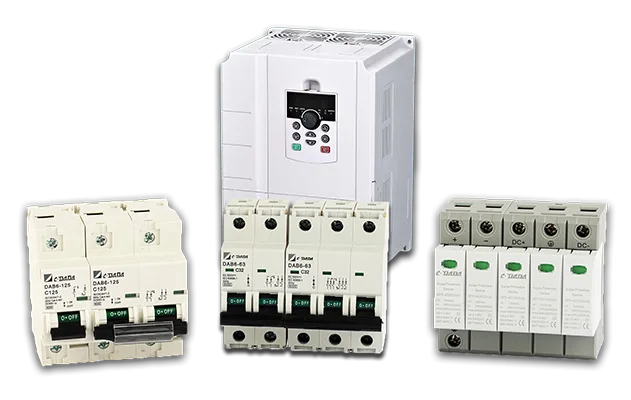
A solar combiner box may contain DC fuses, circuit breakers, surge protective devices, and load isolation switches. Each component serves a different function, and the final configuration depends on the electrical design.
Fuses and circuit breakers provide overcurrent protection when correctly selected. Surge protective devices help limit transient overvoltage, while suitable isolation switches provide a means of disconnecting circuits under specified conditions.
Outdoor photovoltaic equipment can be exposed to dust, moisture, sunlight, and temperature fluctuations. The enclosure must provide protection appropriate to the installation environment.
DADA ELECTRIC identifies an IP65 design and metal enclosure materials, including cold rolled steel, in its PV combiner box information. Buyers should verify the protection rating and enclosure material for the specific model rather than assuming all configurations have identical specifications.
The combiner box and its internal components must match the maximum voltage and current expected under actual operating conditions. Photovoltaic string voltage varies with temperature, so system design should account for module characteristics and site conditions.
Check the maximum system voltage, string short circuit current, number of parallel strings, fuse ratings, and inverter input limits. Verify that the selected configuration complies with applicable electrical standards.
The choice of fuses, circuit breakers, surge protective devices, and isolation switches depends on the system design and applicable protection requirements.
DADA ELECTRIC’s DC circuit breaker range includes DAB7-63 miniature circuit breakers, DAB6 photovoltaic DC circuit breakers, and DAM3PV series molded case circuit breakers. These product families have different applications and ratings, so buyers should consult the relevant datasheet before selecting a model.
Surge protective devices help limit transient overvoltage caused by lightning related events and electrical switching. Their selection depends on system voltage, the required protection level, and coordination with other protective equipment. DC isolation switches must also match the intended voltage, current, and switching conditions.

The number of string inputs should correspond to the array layout and inverter connection requirements. An unsuitable configuration can complicate wiring, increase installation work, or create compatibility problems.
Before requesting a quotation, prepare the string layout and specify the required inputs, outputs, protection devices, cable entries, and available installation space.
Enclosure selection should account for dust, water exposure, ultraviolet radiation, temperature variation, humidity, and corrosion risks. Coastal installations may require additional consideration of corrosion resistance and mounting hardware.
An IP rating alone does not establish suitability for every environment. Confirm the enclosure materials and relevant environmental specifications for the intended installation site.
A solar combiner box should also be assessed as a complete electrical assembly. Protective devices, terminals, conductors, and the enclosure must be compatible with the system and with one another. Request the relevant datasheets, wiring diagram, installation instructions, and available test or certification documents. Confirm that these documents apply to the exact model and configuration being quoted.
Installation should follow the manufacturer’s wiring diagram and the approved project design. Check polarity, conductor sizing, terminal compatibility, grounding, cable entry arrangements, and specified tightening torques before energizing the system.
Photovoltaic circuits can remain energized in sunlight. Qualified personnel must follow appropriate isolation procedures and applicable electrical safety requirements.
Damaged seals, incorrectly installed cable glands, loose terminals, and unsuitable installation locations can compromise system reliability. Inspect enclosure openings and seals during installation, and ensure that connections meet the manufacturer’s requirements.
Use the specified torque values for individual terminals and components rather than applying generic values.
Inspection frequency should reflect the site environment, operating conditions, and manufacturer’s recommendations. Checks may cover enclosure integrity, cable entries, terminals, corrosion, abnormal heating, and protective device indicators.
Thermal inspections can help identify abnormal heating when conducted by qualified personnel using suitable procedures. Investigate faults before replacing components or returning the system to service.
Shanghai DADA Electric Co., Ltd. was founded in 1983. According to its official company information, the group operates three factories, has a production area of 52,400 square meters, and employs more than 500 staff.
These figures describe the company’s overall manufacturing operations, not a dedicated PV combiner box production line. They provide useful context when procurement teams evaluate the experience and scale of an electrical equipment supplier.
The company manufactures low voltage electrical products, including circuit breakers, switches, and electrical accessories. Its published portfolio also includes DC protection devices and PV combiner boxes.
DADA ELECTRIC’s company information identifies ISO 9001 quality management and several international certifications held by products in its portfolio. Buyers should request the relevant certificates and test documents to verify their validity and applicability to the specific product being purchased.
A solar combiner box combines photovoltaic string outputs and accommodates protection components for a solar DC circuit. A general distribution box serves a different electrical distribution application. Their functions and ratings differ, so a conventional distribution box should not automatically be treated as a suitable replacement.
The requirement depends on the system design, lightning risk assessment, applicable standards, and overall protection scheme. Where an SPD is required, its ratings and type must be coordinated with the photovoltaic system and other protective devices.
Provide the maximum system voltage, number of string inputs, current requirements, required protection components, installation environment, enclosure requirements, and applicable standards. A wiring diagram or preliminary system design can help the supplier assess the required configuration.
Choose a solar combiner box based on system ratings, protection requirements, environmental conditions, and verified product specifications. For technical details or project quotations, contact DADA ELECTRIC to discuss your requirements.

 0086-15167477792
 charlotte.weng@cdada.com

No.171 Yezhuang Road, Zhuanghang, Fengxian, Shanghai, China