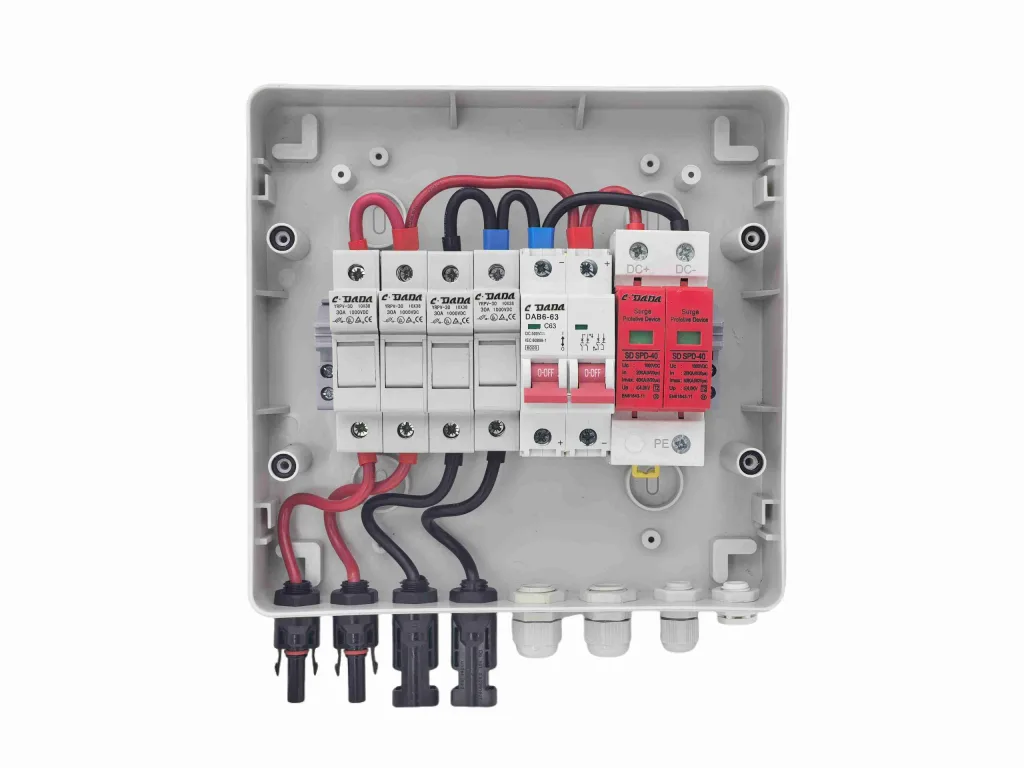
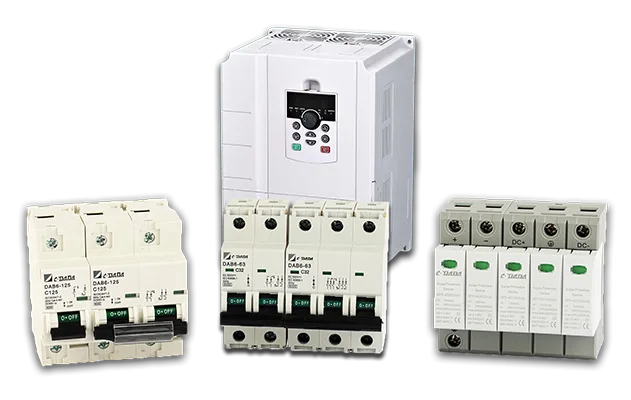
Electrical control equipment plays an important role in industrial facilities, where reliable control of electrical loads affects production continuity, equipment protection, and maintenance costs. For manufacturers, contractors, and procurement teams, choosing suitable components requires an understanding of how different devices work together and what capabilities a supplier can provide.
Electrical control equipment includes devices used to switch circuits, control motors, and protect electrical systems against specified faults. Common examples include contactors, motor protection circuit breakers, and thermal overload relays.
Each component serves a distinct purpose. Contactors control the switching of electrical loads, while protective devices respond to overloads or short circuits according to their design. Properly selected components help maintain reliable operation and reduce the risk of equipment damage.
The electrical control devices range includes components for motor control and related industrial electrical applications.

These devices are commonly used in manufacturing equipment, pumping systems, conveyor lines, machine tools, and other electrically powered machinery.
The required configuration depends on the load, operating conditions, and protection requirements. A motor starter, for example, may combine a contactor with overload protection and a suitable circuit breaker. Correct component selection helps simplify maintenance and supports safe operation.
Contactors are electrically operated switching devices used to control power circuits, including those supplying AC motors. They are widely used in motor starters and industrial machinery that require frequent switching.
DADA ELECTRIC offers several contactor series, including LC1 D, LC1 F, and CJX2. Their electrical ratings vary by model and series. Buyers should check the relevant datasheet for rated voltage, operating current, utilization category, and switching requirements.
For specific applications, electrical contactors can be evaluated according to the load characteristics and operating conditions.

Motor protection circuit breakers provide overload and short circuit protection for motor circuits, subject to the capabilities and settings of the selected model.
Selection should account for motor rated current, starting characteristics, available fault current, and coordination with other protective devices. The breaker must be suitable for the application and installed according to the manufacturer’s instructions.
Thermal overload relays protect motors against sustained overload conditions and are commonly paired with contactors in motor starter assemblies.
The relay setting should match the motor’s rated current and the manufacturer’s recommendations. Because an overload relay does not replace short circuit protection, the complete circuit must include suitable protective equipment.
A typical motor control circuit uses a contactor for switching, a thermal overload relay for overload protection, and a suitable circuit breaker for short circuit protection.
These devices perform complementary functions. Correct coordination helps ensure that each component operates within its intended role and that the complete circuit meets the application’s protection requirements.
Start by confirming the system voltage, rated current, phase configuration, and load type. For motor applications, consider starting current, switching frequency, and the applicable utilization category.
Do not select equipment based only on its maximum advertised rating. The actual model must meet the electrical and operational requirements of the installation.
Different circuits require different protection arrangements. Engineers should evaluate the available fault current, breaking capacity, overload settings, and coordination between upstream and downstream devices.
The selected equipment must also comply with the relevant installation standards and project specifications.
Ambient temperature, humidity, dust, vibration, and corrosive substances can affect equipment performance. Confirm the manufacturer’s environmental limits and any enclosure protection requirements before installation.
Equipment installed in a clean indoor cabinet may need different protection from devices used in dusty workshops or corrosive industrial environments. Appropriate installation and regular inspection help maintain reliable operation.
Supplier evaluation should include production capacity, product range, quality management, technical documentation, and delivery support.
According to its official company introduction, DADA ELECTRIC operates three factories with a combined production area of 52,400 square metres and employs more than 500 staff. Its manufacturing history dates back to 1983, and its portfolio includes more than 160 low voltage electrical products.
The company reports an ISO 9001 quality management system and certifications for various products, including CB, CE, CCC, SEMKO, KEMA, and ASTA. Buyers should verify the certification and test documentation applicable to the specific product and model.
These manufacturing resources provide useful context when assessing a supplier. Final purchasing decisions should still be based on technical compliance, product documentation, and project requirements.
Maintenance should follow the manufacturer’s instructions and the facility’s electrical safety procedures. Inspections may include checking terminal connections, identifying signs of overheating, and examining contactors for abnormal wear.
Before maintenance, equipment must be isolated and verified safe. Qualified personnel should perform inspections and testing using appropriate procedures.
Protective devices should be inspected and tested according to the manufacturer’s recommendations and applicable maintenance standards. Confirm that settings remain appropriate for the intended application and replace worn or damaged components with compatible parts.
Keep datasheets, wiring diagrams, protection settings, and inspection records up to date. Accurate documentation helps maintenance teams identify suitable replacement parts and reduces the risk of incompatible substitutions.
Selecting electrical control equipment requires matching component ratings, protection functions, and environmental requirements to the intended application. Manufacturing capacity and quality documentation also help buyers assess supplier suitability.
For product information, technical documentation, or purchasing enquiries, contact DADA ELECTRIC to discuss your project requirements.

 0086-15167477792
 charlotte.weng@cdada.com

No.171 Yezhuang Road, Zhuanghang, Fengxian, Shanghai, China