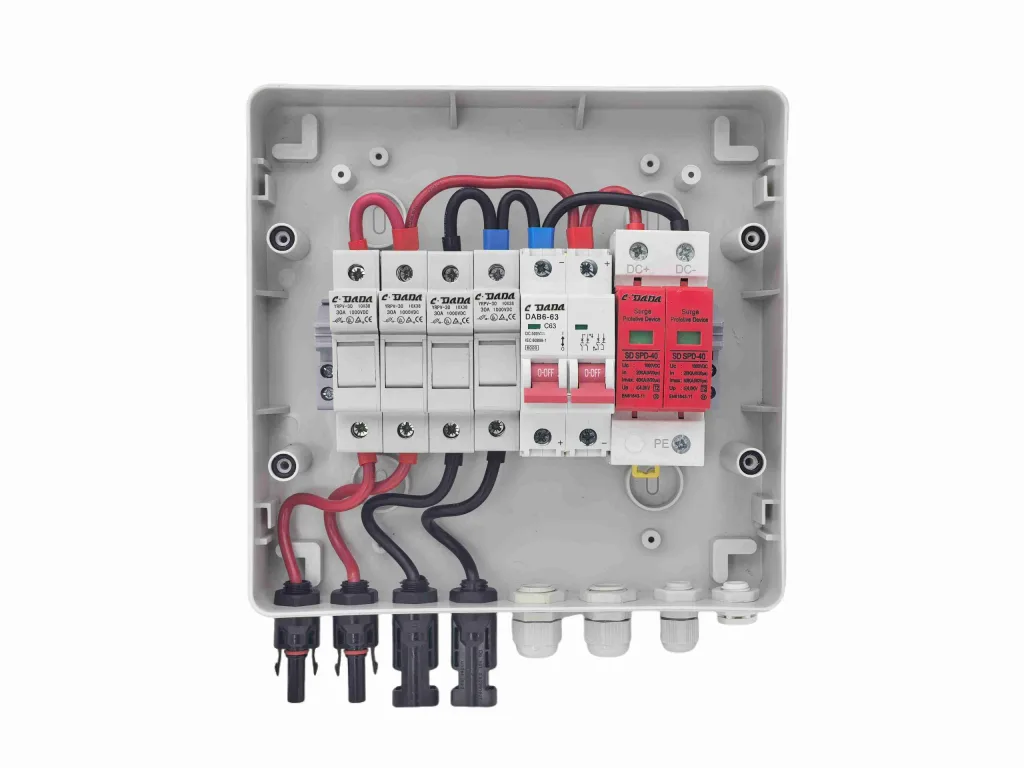
Frequent tripping of a Miniature Circuit Breaker is one of the most common issues seen in residential distribution boards, commercial panels, and light industrial electrical systems. Many users assume the breaker is faulty when it trips repeatedly. In reality, the breaker is usually working exactly as designed—disconnecting the circuit because something in the system is abnormal.
A breaker does not trip without a reason. The challenge is that the real reason is often misunderstood. Simply replacing the breaker with a higher current rating rarely solves the problem and may introduce serious safety risks. To fix frequent tripping permanently, it is necessary to understand how an MCB works, what conditions trigger it, and how installation, load type, and environment affect its performance.
An MCB protects circuits through two mechanisms: thermal protection for overload and magnetic protection for short circuit. A bimetal strip bends when heated by sustained overcurrent, while an electromagnetic trip reacts instantly to very high fault current.
If a breaker trips after several minutes, the cause is usually overload or heat buildup. If it trips instantly when switched on, the cause is often short circuit, inrush current, or an incorrect breaker curve for the load.
Understanding this timing difference is the first step in accurate troubleshooting.
In many buildings, the number of connected appliances grows over time while the original circuit design remains unchanged. Heaters, air conditioners, kitchen equipment, office electronics, and chargers are added to the same line. The total current exceeds the breaker rating for a sustained period, heating the bimetal strip and triggering a trip.
This type of tripping usually happens during peak usage hours. Wires and breaker terminals may feel warm. Measuring the actual operating current with a clamp meter often reveals that the circuit is simply carrying more load than it was designed for.
The correct solution is load redistribution or adding new circuits. Increasing the breaker rating without checking cable size is unsafe and violates electrical safety principles.

Damaged cable insulation, moisture in junction boxes, loose terminals, or aging sockets can create intermittent short circuits. In these cases, the breaker trips immediately due to the magnetic protection mechanism.
This problem is often identified when the breaker trips instantly even with minimal or no load connected. A burnt smell, sparks, or visible cable damage may be present.
Insulation resistance testing, terminal inspection, and replacement of damaged wiring are required to eliminate this cause.
Many modern devices draw a high startup current that is much higher than their normal operating current. Air conditioners, refrigerators, pumps, laser printers, LED drivers, and switching power supplies are common examples.
This inrush current may momentarily reach several times the breaker rating. The breaker interprets this as a short circuit and trips instantly, even though the equipment is normal.
This situation is often solved by selecting the correct breaker trip curve rather than changing the current rating.
MCBs are designed with different tripping characteristics:
B curve for lighting and resistive loads
C curve for mixed and motor loads
D curve for heavy inductive loads
Using a B-curve breaker on a motor or compressor circuit is a frequent reason for nuisance tripping. Replacing it with a C or D curve breaker allows normal startup current without compromising protection.
Loose or oxidized terminals increase contact resistance. This creates localized heating, which transfers to the breaker’s thermal element and causes premature tripping even when current is within limits.
Signs include discoloration at terminals, melted insulation, or a hot breaker. Retightening terminals and using proper cable lugs often resolves the issue.
In areas where the supply voltage is unstable or lower than nominal, equipment draws higher current to maintain power. This higher current can push the breaker into thermal trip conditions.
Dimming lights, equipment noise, and tripping during low-voltage periods are common symptoms. Voltage stabilizers or checking the utility supply may be necessary.
Over time, the internal components of a breaker degrade. The bimetal strip may lose calibration, springs weaken, and contacts wear due to repeated arcing. An aging breaker may trip below its rated current.
Replacing old breakers with new, reliable units is sometimes the simplest and most effective solution.
High ambient temperature inside electrical panels reduces the effective current capacity of breakers. Dust buildup worsens heat retention.
A breaker installed in a hot, enclosed panel may trip at a current well below its rating. Improving ventilation and regular cleaning helps maintain stable operation.
Combining lighting, sockets, motors, and heating equipment on the same breaker leads to unpredictable current behavior. Separating circuits according to load type greatly reduces nuisance tripping.

Instead of guessing, a structured method works best:
Measure the actual load current
Check terminals and wiring condition
Identify the load characteristics
Verify the breaker curve and rating
Inspect panel temperature and environment
Test insulation resistance
Replace the breaker if aging is suspected
This approach identifies the real cause without compromising safety.
Replacing a 16A breaker with a 25A breaker without upgrading the cable exposes the wiring to overheating and fire risk. Breakers protect cables, not appliances. Protection must always match conductor capacity.
Correct load calculation, proper breaker curve selection, periodic terminal maintenance, and good panel ventilation prevent most tripping problems before they occur. Regular inspection and thermal scanning of panels can detect issues early.
Frequent tripping is a warning signal, not a defect. It indicates overload, wiring issues, inrush current, environmental heat, voltage instability, or improper breaker selection. Solving the problem requires identifying the exact cause rather than oversizing the breaker.
A properly selected and installed Miniature Circuit Breaker ensures safe, reliable operation of electrical systems while preventing damage to cables and equipment.

 0086-15167477792
 charlotte.weng@cdada.com

No.171 Yezhuang Road, Zhuanghang, Fengxian, Shanghai, China