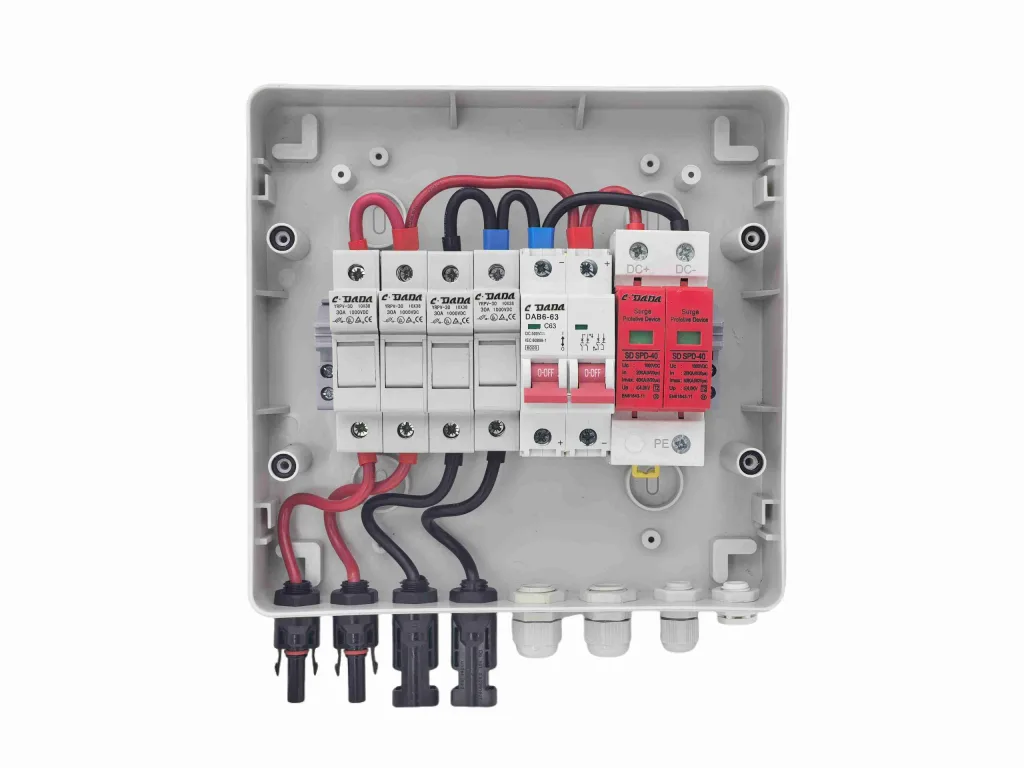
When it comes to protecting your electrical systems, selecting the right circuit breaker is crucial. Molded Case Circuit Breakers (MCCBs) and Insulated Case Circuit Breakers (ICCBs) are two types of circuit breakers commonly used in various electrical applications. While both serve to protect electrical circuits from overloads and short circuits, they differ significantly in their design, application, and performance characteristics. This article explores the key differences between MCCBs and ICCBs, helping you determine which one is best suited for your electrical system.
MCCBs, or Molded Case Circuit Breakers, are widely used in residential, commercial, and light industrial applications. These circuit breakers are designed to protect electrical circuits from overloads and short circuits. MCCBs typically come with a current rating range from 15A to 2500A, making them ideal for moderate electrical loads. The primary protection features of an MCCB include thermal protection for overloads and magnetic protection for short circuits.
One of the key features of MCCBs is their compact and cost-effective design. They are housed in a molded insulating case, which is durable and provides excellent protection against environmental factors. MCCBs are adjustable, allowing users to set trip settings based on the application and the level of protection needed. This flexibility makes MCCBs versatile for general-purpose protection in a wide variety of settings, including homes, offices, and light industrial applications.

ICCBs, or Insulated Case Circuit Breakers, are designed for high-power applications that require advanced protection. Unlike MCCBs, ICCBs are built with a solid, insulated case that offers superior safety and protection against electrical faults, including arc flashes. ICCBs are typically used in industrial environments, large commercial buildings, data centers, and other high-load applications. They are capable of handling higher currents, with ratings typically ranging from 800A to 5000A.
The key advantage of ICCBs is their ability to provide enhanced protection in high-risk environments. Their robust design helps mitigate the risks associated with arc flashes, which can cause significant damage and pose serious safety hazards. ICCBs are often equipped with adjustable trip settings and other advanced features, providing greater control and precision in protecting critical electrical equipment and circuits.
Although MCCBs and ICCBs perform similar functions—protecting circuits from overloads and short circuits—there are several key differences that set them apart.
MCCBs are housed in molded cases, making them compact and cost-effective for a range of applications. These circuit breakers are suitable for circuits with moderate electrical demands, such as residential and light commercial setups.
In contrast, ICCBs are built with insulated cases, offering enhanced safety and protection, particularly in high-current and high-risk environments. The insulated casing helps to reduce the chances of arc flash incidents, which is crucial in industrial settings where equipment failure could lead to severe consequences.
MCCBs are generally rated for current ranges between 15A and 2500A, making them ideal for residential, commercial, and light industrial applications. They offer a practical solution for protecting circuits that don’t require extremely high current protection.
ICCBs, on the other hand, are designed for heavy-duty applications. Their ratings typically range from 800A to 5000A, making them more suitable for large-scale industrial and commercial environments. If your system requires protection for high-power equipment or large infrastructure, an ICCB may be the better choice.
MCCBs are ideal for residential buildings, small commercial setups, and light industrial environments. These circuit breakers are often used in distribution boards, motor protection, and electrical panels where moderate protection is needed. Their ability to manage both overloads and short circuits ensures safe operation for most standard applications.
ICCBs are best suited for high-demand applications. They are commonly found in large commercial buildings, data centers, industrial plants, and other facilities where the electrical load is heavy. Due to their higher current ratings and advanced safety features, ICCBs are ideal for circuits that require reliable and precise protection from arc flashes and other serious electrical faults.
MCCBs provide basic protection against overloads and short circuits, but they are not specifically designed to address arc flash risks. While they offer solid protection for general use, they may not be suitable for environments where arc flashes are a concern.
ICCBs, however, are specifically designed with arc flash protection in mind. Their insulated construction and advanced trip mechanisms reduce the likelihood of an arc flash occurring and mitigate the damage if one does occur. This makes ICCBs a safer choice for high-risk applications where arc flash incidents can cause significant harm to both people and equipment.
MCCBs offer thermal and magnetic protection, which can be adjusted based on the needs of the application. They are reliable for general electrical protection and can handle moderate loads effectively.
ICCBs go a step further by providing more advanced performance features, such as adjustable trip settings for precise protection and the ability to withstand higher fault currents. Their performance is more sophisticated, offering superior protection for high-power systems, especially in environments with complex electrical demands.

MCCBs are generally more cost-effective than ICCBs, making them an attractive choice for smaller applications where high current handling and arc flash protection are not as critical. However, for large-scale industrial systems, the additional investment in ICCBs may be justified, given their advanced safety features and ability to handle higher current loads.
Understanding the key differences between MCCBs and ICCBs is essential for selecting the right circuit breaker for your electrical system. While MCCBs provide reliable protection for moderate electrical loads in residential and commercial settings, ICCBs offer enhanced safety and performance for high-power applications in industrial environments.
By carefully considering your application’s requirements—such as current rating, arc flash protection, and safety features—you can make an informed decision on whether an MCCB or ICCB is best suited for your needs. When in doubt, consult with a professional to ensure you choose the optimal circuit breaker for your specific system requirements.
If you’re unsure which circuit breaker is right for your needs, DaDa is here to help. As a trusted MCCB and ICCB manufacturer, we offer a wide range of circuit breakers tailored to meet the demands of any application. Get in touch today to discuss your requirements and ensure the safety and efficiency of your electrical system.

 0086-15167477792
 charlotte.weng@cdada.com

No.171 Yezhuang Road, Zhuanghang, Fengxian, Shanghai, China