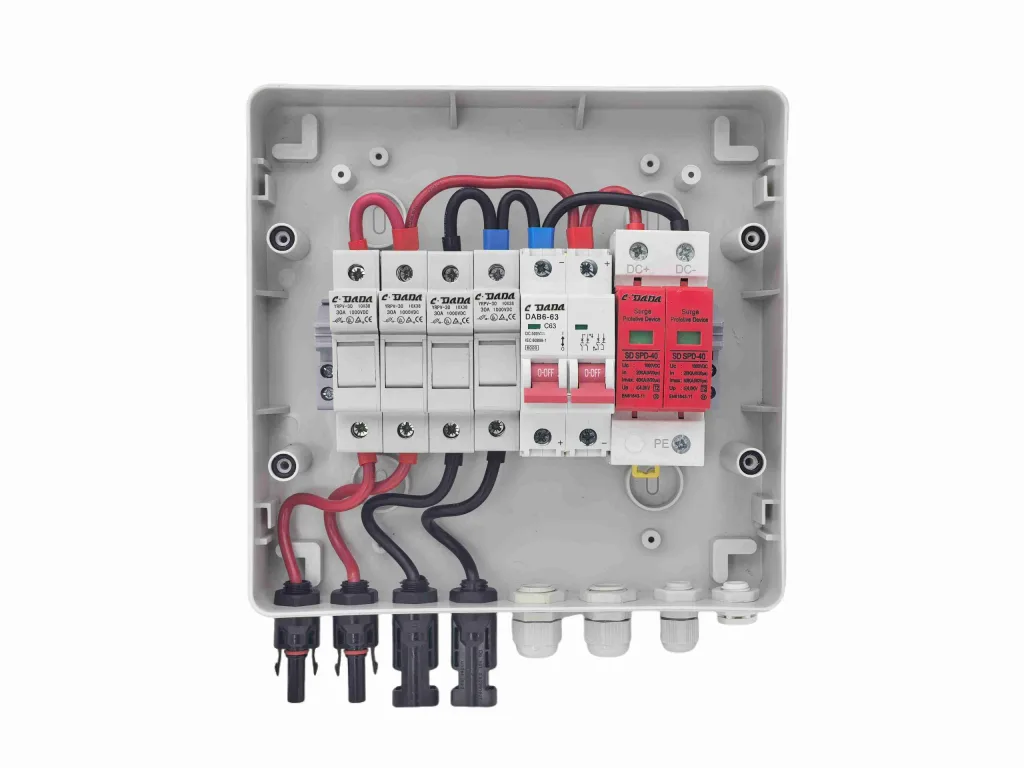
In modern electrical systems, safety is a fundamental requirement. As electrical networks become more complex and equipment becomes more sensitive, protective devices must ensure both operational reliability and human safety. One of the most critical components used to prevent electric shock and electrical fires is the Residual Current Circuit Breaker (RCCB).
An RCCB is designed to detect leakage currents in electrical circuits and disconnect the power supply instantly when an imbalance occurs between the live and neutral conductors. This protection mechanism plays a vital role in residential, commercial, and industrial electrical installations.
However, selecting the right residual current circuit breaker is not always straightforward. Different environments, load characteristics, and electrical system designs require different specifications. Choosing an inappropriate RCCB may result in nuisance tripping, insufficient protection, or compatibility problems with modern electronic equipment.
The following sections discuss the key factors that engineers, contractors, and system designers should consider when selecting an RCCB.
Before evaluating selection criteria, it is important to understand how an RCCB works. In a properly functioning circuit, the current flowing through the phase conductor should be equal to the current returning through the neutral conductor. The RCCB continuously monitors this balance.
If a leakage occurs—such as when current flows through a human body to ground or through damaged insulation—the balance is disrupted. Once the leakage current exceeds the preset sensitivity threshold, the RCCB quickly disconnects the circuit, typically within milliseconds.
Unlike traditional circuit breakers, RCCBs do not provide protection against overload or short circuit. Therefore, they are usually installed together with miniature circuit breakers (MCBs) or molded case circuit breakers (MCCBs) to ensure comprehensive protection.
One of the most important parameters when selecting an RCCB is the rated residual operating current, commonly referred to as sensitivity. This value indicates the level of leakage current at which the device will trip.
Typical sensitivity ratings include:
10 mA – Used in high-risk environments where enhanced protection against electric shock is required.
30 mA – The most commonly used level for residential and commercial installations, providing effective protection for human safety.
100 mA to 300 mA – Typically used for fire protection and industrial applications where higher leakage currents may naturally occur.
For general-purpose socket outlets and household circuits, a 30 mA RCCB is widely accepted as the standard safety level. However, environments such as hospitals, laboratories, or construction sites may require more sensitive protection.
Selecting the correct sensitivity ensures that the RCCB responds appropriately to dangerous leakage currents without causing unnecessary interruptions to normal operations.
Rated Current Capacity
Another critical factor is the rated current (In) of the RCCB. This parameter represents the maximum current that the device can continuously carry without overheating or damage.
Common rated current values include:
25 A
40 A
63 A
80 A
100 A
When choosing the rated current, it is important to ensure that the RCCB can handle the maximum expected load of the circuit. If the rated current is too low, the device may overheat or fail prematurely. On the other hand, excessively high ratings may reduce protection effectiveness when coordinated with upstream devices.
Electrical designers typically match the RCCB rating with the corresponding circuit breaker or distribution board capacity to ensure proper coordination.

Modern electrical systems include a wide range of equipment such as variable frequency drives, computers, LED lighting, and power electronics. These devices may generate different types of leakage currents.
For this reason, RCCBs are categorized according to the type of residual current they can detect.
Type AC RCCBs detect pure sinusoidal alternating residual currents. They are suitable for traditional loads such as heaters, incandescent lighting, and simple electrical appliances.
However, they are becoming less common in modern installations due to the increasing presence of electronic devices.
Type A RCCBs detect both alternating residual currents and pulsating direct currents. They are widely used in circuits that supply equipment such as washing machines, air conditioners, and power supplies with electronic components.
Type F RCCBs are designed for circuits with single-phase frequency converters, such as modern washing machines or heat pumps.
Type B RCCBs can detect smooth DC leakage currents and are used in specialized environments including electric vehicle charging stations, photovoltaic systems, and industrial drives.
Choosing the correct RCCB type ensures reliable protection while preventing malfunction caused by complex current waveforms.
Electrical distribution systems may operate in single-phase or three-phase configurations. The RCCB must match the system architecture to function properly.
Common pole configurations include:
2-pole RCCB – Used in single-phase systems (phase + neutral)
4-pole RCCB – Used in three-phase systems with neutral
In industrial environments with three-phase loads such as motors, compressors, or manufacturing equipment, a four-pole RCCB is typically required. Selecting the correct pole configuration ensures complete monitoring of all conductors.
Speed of response is another critical aspect of RCCB performance. When leakage current occurs, rapid disconnection minimizes the risk of electric shock and equipment damage.
Standard RCCBs typically trip within 30 milliseconds when the residual current reaches the rated threshold. However, specialized versions include:
Instantaneous RCCBs for fast protection
Selective (time-delayed) RCCBs, often labeled as “S-type”
Selective RCCBs are commonly installed upstream in electrical distribution systems. Their delayed tripping allows downstream devices to disconnect first, ensuring better coordination and preventing unnecessary power outages across large sections of the system.
The operating environment can significantly affect the performance and lifespan of an RCCB.
When selecting an RCCB, it is important to consider factors such as:
Ambient temperature
Humidity levels
Dust or contamination
Vibration and mechanical stress
Exposure to corrosive environments
Industrial facilities, outdoor installations, and harsh environments may require RCCBs with higher protection ratings, robust enclosures, or specialized designs.
For example, installations in manufacturing plants or construction sites may need devices with improved durability and resistance to electrical interference.
An RCCB is typically part of a broader electrical protection system that includes MCBs, MCCBs, surge protection devices, and distribution panels. Proper coordination between these components is essential.
If the RCCB is incorrectly matched with upstream or downstream breakers, it may lead to:
Frequent nuisance tripping
Inadequate protection
Difficulty in isolating faults
Electrical engineers often design protection schemes that ensure selectivity between devices. This allows the nearest protective device to the fault location to operate first, minimizing disruption to the rest of the system.

When selecting an RCCB, it is essential to ensure that the device complies with recognized electrical safety standards.
Common international standards include:
IEC 61008 for residual current circuit breakers without integral overcurrent protection
IEC 61009 for RCBO devices with overcurrent protection
National electrical codes and certification requirements
Certified products undergo rigorous testing for performance, safety, and reliability. Using compliant devices ensures that electrical installations meet regulatory requirements and safety expectations.
While technical specifications are critical, the overall build quality of the RCCB also plays an important role. High-quality devices provide consistent performance, accurate tripping characteristics, and long service life.
Factors to evaluate include:
Manufacturing standards
Internal component quality
Mechanical durability
Consistency of tripping performance
For large-scale projects or industrial installations, selecting reliable products from experienced manufacturers can reduce maintenance costs and ensure long-term operational stability.
Selecting the right residual current circuit breaker is a crucial step in designing a safe and reliable electrical system. An RCCB protects people and equipment by detecting leakage currents and disconnecting power before dangerous situations arise.
When choosing an RCCB, engineers and installers must carefully evaluate several key factors, including sensitivity rating, current capacity, residual current type, pole configuration, tripping characteristics, environmental conditions, and compliance with international standards.
By considering these factors and selecting high-quality devices suited to the specific application, electrical systems can achieve effective protection against electric shock, insulation faults, and potential fire hazards.
As electrical technology continues to evolve and more electronic equipment is integrated into modern power systems, the correct selection of protective devices such as RCCBs becomes increasingly important for maintaining safety, reliability, and operational efficiency.

 0086-15167477792
 charlotte.weng@cdada.com

No.171 Yezhuang Road, Zhuanghang, Fengxian, Shanghai, China