In any electrical system, safety should always come first. One of the most effective devices for preventing electrical accidents is the leakage circuit breaker. This protective device helps safeguard people and property by cutting off power whenever leakage current is detected. To better understand its role, it is important to know what it is, how it works, and where it is commonly applied.
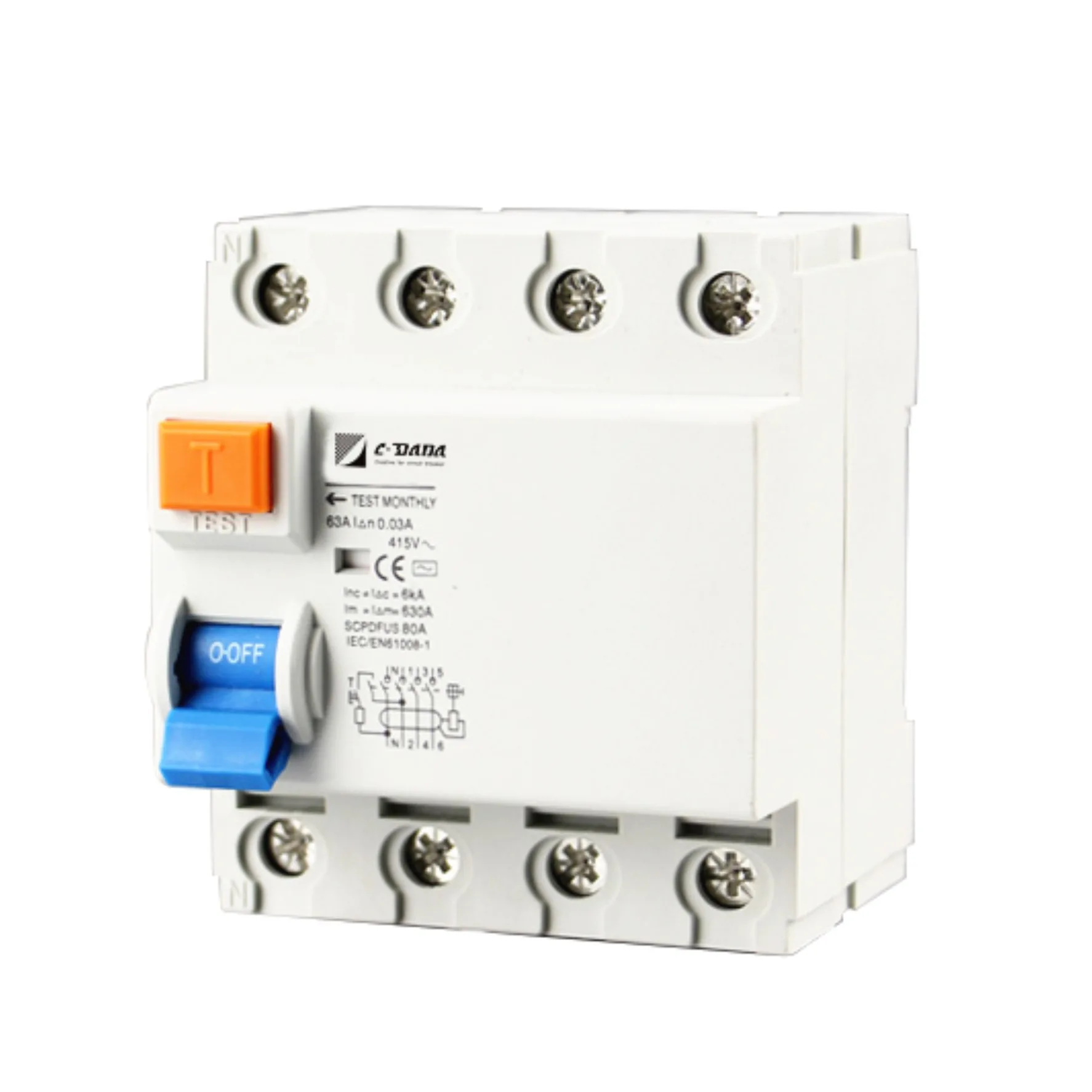
To start, a leakage circuit breaker is a device designed to monitor current flow in an electrical circuit. Under normal conditions, the amount of current flowing into the circuit should equal the amount returning. When there is a difference—called leakage current—it usually means electricity is escaping through insulation faults, damaged wires, or even through the human body. The leakage circuit breaker quickly disconnects the power supply to prevent electric shock or fire.
This makes it one of the most important protection tools in both residential and industrial systems.

Now that we know what it is, let’s look at how it works. A leakage circuit breaker functions by continuously comparing the current in the live wire and the neutral wire. If there is an imbalance, even as small as a few milliamperes, the device instantly trips the circuit.
For example, if a person touches a live wire, some of the current may pass through the body to the ground. The breaker senses this leakage and shuts down the supply, minimizing the risk of serious harm. The speed of this response is what makes leakage circuit breakers highly reliable for personal safety.
To use them effectively, it is important to understand the different types available. Each type is designed to suit specific applications.
By knowing these types, users can select the right leakage circuit breaker for their particular system needs.
Moving on, let’s consider the advantages. Leakage circuit breakers offer multiple safety and reliability benefits:
Protection from Electric Shock: The device instantly cuts power in case of accidental contact with live wires.
These benefits explain why leakage circuit breakers are considered a must-have in modern electrical installations.
In addition to their protective features, leakage circuit breakers are widely applied in various fields. At home, they are used in kitchens, bathrooms, and outdoor circuits where moisture increases the risk of leakage. In offices, they protect computer systems and sensitive electronics. In industries, leakage circuit breakers are installed in production lines, construction sites, and laboratories where electrical safety is critical.
This wide range of applications highlights their importance in ensuring reliable protection across different environments.
Even though leakage circuit breakers are highly reliable, proper maintenance is still necessary. Regular testing is recommended to ensure the device trips correctly when leakage occurs. Most breakers have a test button that should be pressed monthly. In addition, users should avoid overloading circuits and replace old or faulty wiring to maintain maximum safety.
These simple steps extend the life of the leakage circuit breaker and keep the overall system safe.
To sum up, a leakage circuit breaker is an essential electrical safety device that protects people, equipment, and buildings from the dangers of leakage currents. By understanding what it is, how it works, and where it should be applied, users can make smarter choices for electrical safety. With regular maintenance and correct usage, leakage circuit breakers provide long-term protection and peace of mind.

 0086-15167477792
 charlotte.weng@cdada.com

No.171 Yezhuang Road, Zhuanghang, Fengxian, Shanghai, China


