Choosing an inverter requires more than comparing rated power and output specifications. The input power source and conversion process determine whether a unit is suitable for a particular electrical system.
Understanding the differences between DC input inverters and AC input variable frequency drives helps buyers evaluate equipment compatibility and select the right solution.
A DC inverter receives direct current from sources such as photovoltaic panels, batteries, or DC power supplies and converts it into alternating current for compatible electrical loads.
The conversion process uses semiconductor switching components to produce AC output. Depending on the design, the inverter may also provide voltage regulation, frequency control, and monitoring functions.
DADA offers a range of DC inverter products for DC to AC power conversion. Buyers should check each model’s specifications to confirm compatibility with their systems.

An AC input variable frequency drive receives alternating current from the electrical supply. It first converts AC power into DC through a rectifier, then uses an inverter circuit to produce controlled AC output.
This process allows the drive to regulate motor speed by adjusting output frequency and voltage. It is commonly used in pumps, fans, compressors, and industrial machinery.
Control technology determines how an inverter manages its electrical output. Depending on the design, functions may include voltage regulation, frequency adjustment, and switching control.
Some solar inverter systems use Maximum Power Point Tracking to optimize photovoltaic energy collection. RS485 communication may also support remote monitoring when available in the selected model. Buyers should confirm these features in the product specifications.
The main difference is the source of electrical power. A DC input inverter receives direct current from batteries, solar panels, or other DC sources. An AC input drive receives alternating current from the grid or an AC generator before processing it internally.
This distinction affects the power supply arrangement, wiring design, and equipment compatibility.
A DC input inverter converts direct current into alternating current. Its output voltage, frequency, phase configuration, and waveform must match the connected load.
An AC input variable frequency drive also produces AC output, but its primary function is to adjust voltage and frequency for motor speed control. Buyers should consider the intended application when comparing these equipment types.
Inverter efficiency depends on conversion topology, switching losses, operating voltage, and load conditions.
A DC input system may reduce unnecessary conversion stages when connected to a suitable DC source. However, total system efficiency also depends on energy storage, power distribution, and the connected load.
AC input drives experience losses during rectification and inversion. Comparing efficiency data under similar operating conditions provides a more reliable basis for selection.
Photovoltaic panels generate DC electricity. An inverter converts this energy into AC when supplying conventional electrical equipment or an AC distribution system.
Larger solar installations may use a PV combiner box to consolidate multiple photovoltaic string outputs. It can also integrate DC fuses, circuit breakers, and surge protection components, helping organize the DC side of the installation.
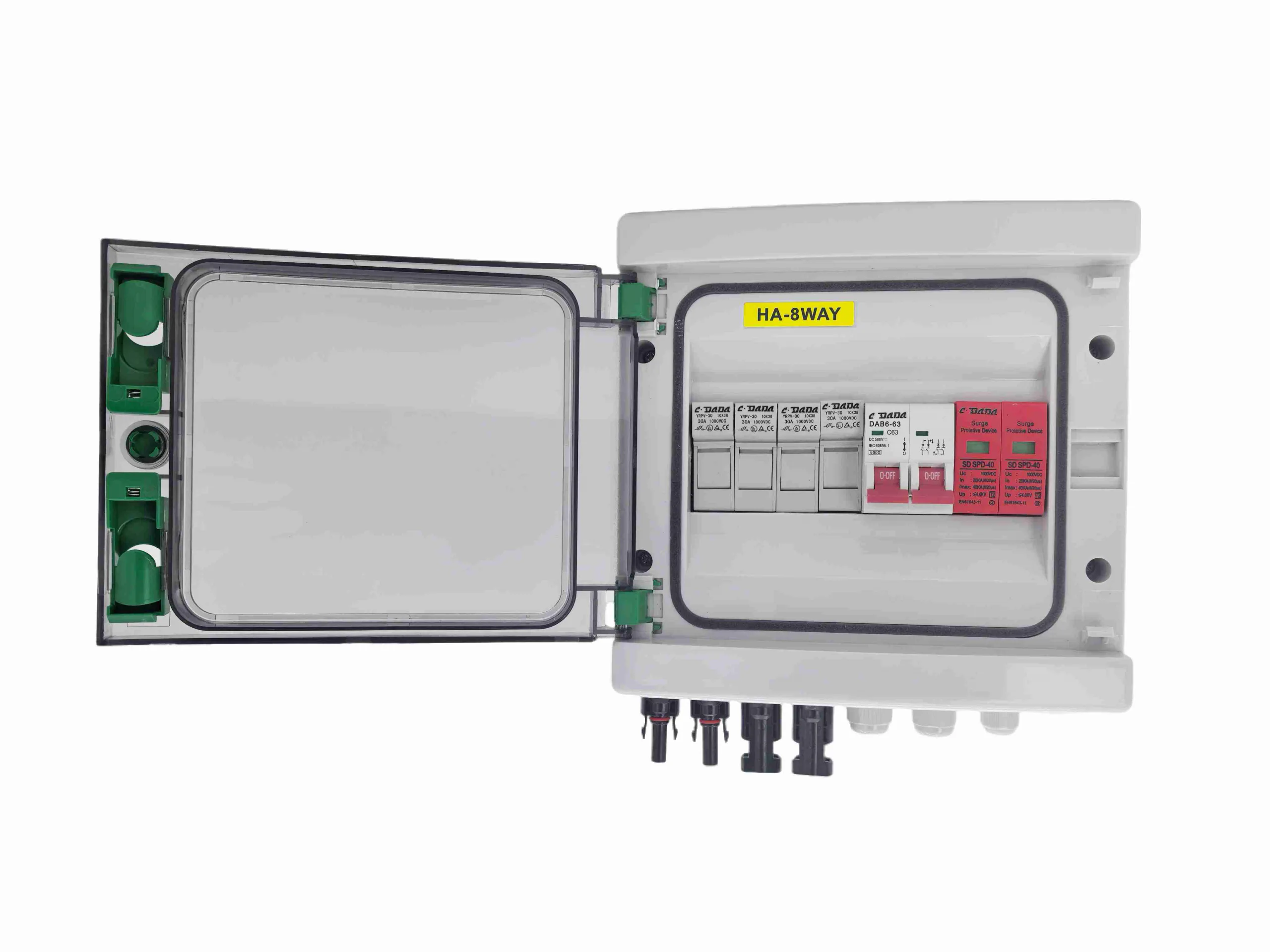
AC input variable frequency drives are widely used where motor speed needs to respond to changing production requirements. Common applications include water pumps, industrial fans, air compressors, conveyor systems, and processing machinery.
Adjusting motor frequency allows operators to regulate equipment according to actual operating demand. The drive must match the motor’s rated voltage, power, and current.
DC inverters are also used in backup power and off grid installations. Battery banks supply DC electricity, which the inverter converts into AC power for compatible equipment.
The required capacity depends on connected loads, peak power demand, operating duration, and battery specifications. Buyers should also check output stability and overload protection.
DC circuits require circuit breakers specifically rated for direct current. Unlike AC current, DC current has no natural current zero crossing during each cycle, making arc interruption more demanding.
A suitable DC circuit breaker protects against overloads and short circuits within its rated operating conditions. DADA’s product range includes the DAB7 63 miniature circuit breaker, DAB6 photovoltaic circuit breaker, and DAM3PV molded case circuit breaker series. Buyers should verify the voltage, current, and breaking capacity of the selected model.
Lightning activity and electrical switching can generate transient overvoltages that may damage inverter electronics. DC surge protective devices help limit transient voltage and discharge surge energy.
Selection should consider system voltage, protection requirements, and installation conditions. Installers should follow the manufacturer’s instructions for wiring and upstream protection.
Identify the available power source and its voltage range. For DC systems, check nominal voltage, maximum input voltage, and permitted operating range. For AC input drives, confirm supply voltage, phase configuration, and frequency.
Inverter capacity should account for continuous power demand, peak loads, and equipment starting characteristics. Motor starting current may exceed normal operating current, so buyers should check overload capacity against actual operating requirements.
A supplier’s manufacturing and quality management capabilities are important considerations alongside product specifications. They help buyers assess production consistency and long term supply reliability.
Founded in 1983, Shanghai DADA Electric Co., Ltd. operates three manufacturing facilities covering 52,400 square meters and employs more than 500 people. Its production experience includes low voltage electrical equipment such as MCCBs and MCBs, with annual capacities of 400,000 MCCBs and 2 million MCBs. Buyers can learn more about the company’s manufacturing capabilities and production history.
The company operates under an ISO 9001 quality management system, and its product portfolio includes certifications such as CE, CB, CCC, SEMKO, KEMA, ASTA, and RoHS. Buyers should confirm the applicable certifications for the specific product before procurement.

Yes. It converts direct current into alternating current. The output voltage, frequency, waveform, and capacity must match the connected equipment.
No. An AC input variable frequency drive receives AC power and processes it internally before generating controlled AC output. A DC input inverter receives direct current as its primary input.
Yes. DC input circuits generally require appropriately rated circuit protection. Breaker selection should consider system voltage, current, and prospective fault current.
Selecting an inverter requires matching the input source, output specifications, and connected load. Buyers should also consider electrical protection and the manufacturer’s production capabilities. For product information or project requirements, contact the DADA team.

 0086-15167477792
 charlotte.weng@cdada.com

No.171 Yezhuang Road, Zhuanghang, Fengxian, Shanghai, China


